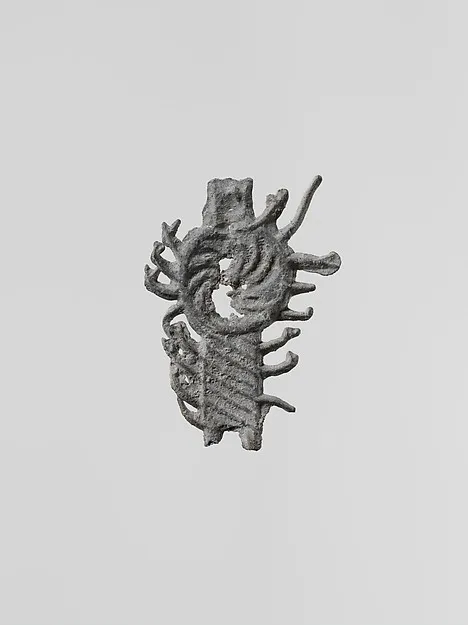
But afterwards he invented the construction of the Wooden Horse and suggested it to Epeus, who was an architect. Epeus felled timber on Ida, and constructed the horse with a hollow interior and an opening in the sides. Into this horse Ulysses persuaded fifty (or, according to the author of the Little Iliad , three thousand) of the doughtiest to enter, while the rest, when night had fallen, were to burn their tents, and, putting to sea, to lie to off Tenedos, but to sail back to land after the ensuing night.
They followed the advice of Ulysses and introduced the doughtiest into the horse, after appointing Ulysses their leader and engraving on the horse an inscription which signified, For their return home, the Greeks dedicate this thank-offering to Athena. But they themselves burned their tents, and leaving Sinon, who was to light a beacon as a signal to them, they put to sea by night, and lay to off Tenedos.
And at break of day, when the Trojans beheld the camp of the Greeks deserted and believed that they had fled, they with great joy dragged the horse, and stationing it beside the palace of Priam deliberated what they should do.
As Cassandra said that there was an armed force in it, and she was further confirmed by Laocoon, the seer, some were for burning it, and others for throwing it down a precipice; but as most were in favour of sparing it as a votive offering sacred to a divinity, they betook them to sacrifice and feasting.
And when night fell, and all were plunged in sleep, the Greeks drew near by sea from Tenedos, and Sinon kindled the beacon on the grave of Achilles to guide them. And Helen, going round the horse, called the chiefs, imitating the voices of each of their wives. But when Anticlus would have answered, Ulysses held fast his mouth.